

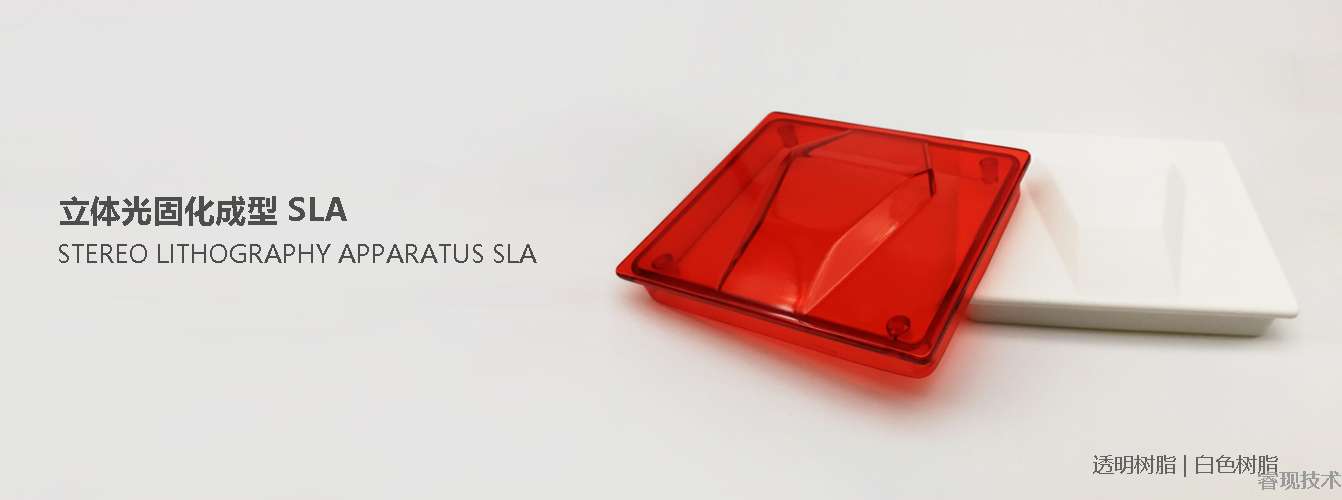
Smooth surfaces and fine detail for appearance prototypes and complex models.
It produces complex geometry, smooth surfaces and clear details quickly. Parts normally require support removal and post-processing.
01
How It Works
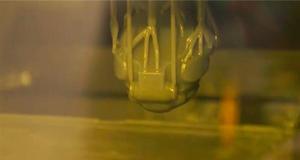
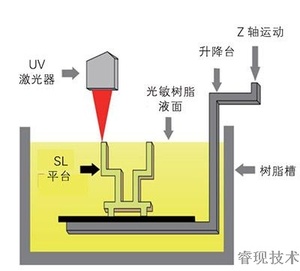
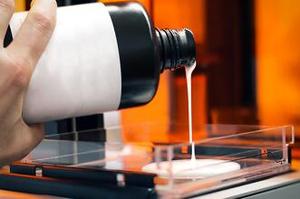
A UV laser traces each sliced layer across liquid photopolymer resin, selectively curing the material into a complete part.
02
Benefits and Limitations
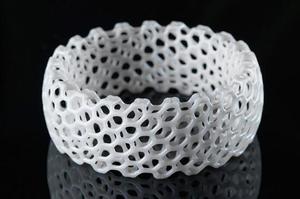
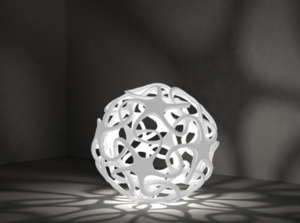
SLA produces fine details, thin walls and smooth surfaces for visual validation and precision assemblies. Support removal, weather resistance and finishing requirements should also be considered.
- High detail resolution and consistent surface quality
- Supports clear, heat-resistant and engineering-like finishes
03
Available Materials
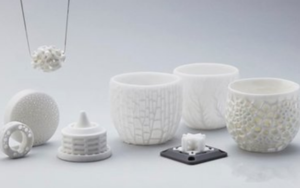
Choose standard, clear, heat-resistant or tough resins according to visual, assembly and functional requirements.
Standard Resin
For detailed visual parts and presentation models.
Clear Resin
For optical appearance, flow paths and transparent structures.
Heat-resistant Resin
For test parts requiring short-term heat resistance.
Tough Resin
For clips, housings and assembly validation.
04
Applications
Suitable for visual and assembly validation in consumer electronics, medical devices, automotive parts, instruments and creative models.
Need similar manufacturing support?
DISCUSS YOUR PROJECT ↗